Why do carp jump? Honestly, science doesn't know for sure.
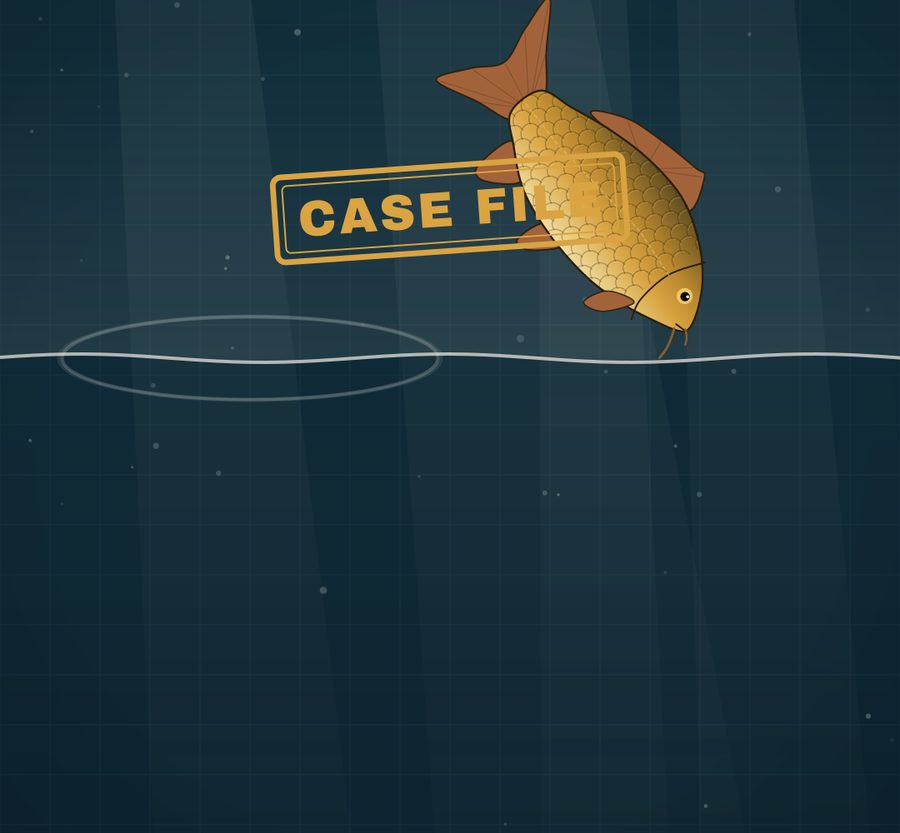
Everyone who fishes for carp has watched one crash out of the water and wondered why. Honest answer: science doesn't know for sure. We haven't found a study that tests it directly. But there are four main suspects.
Suspect 1: air
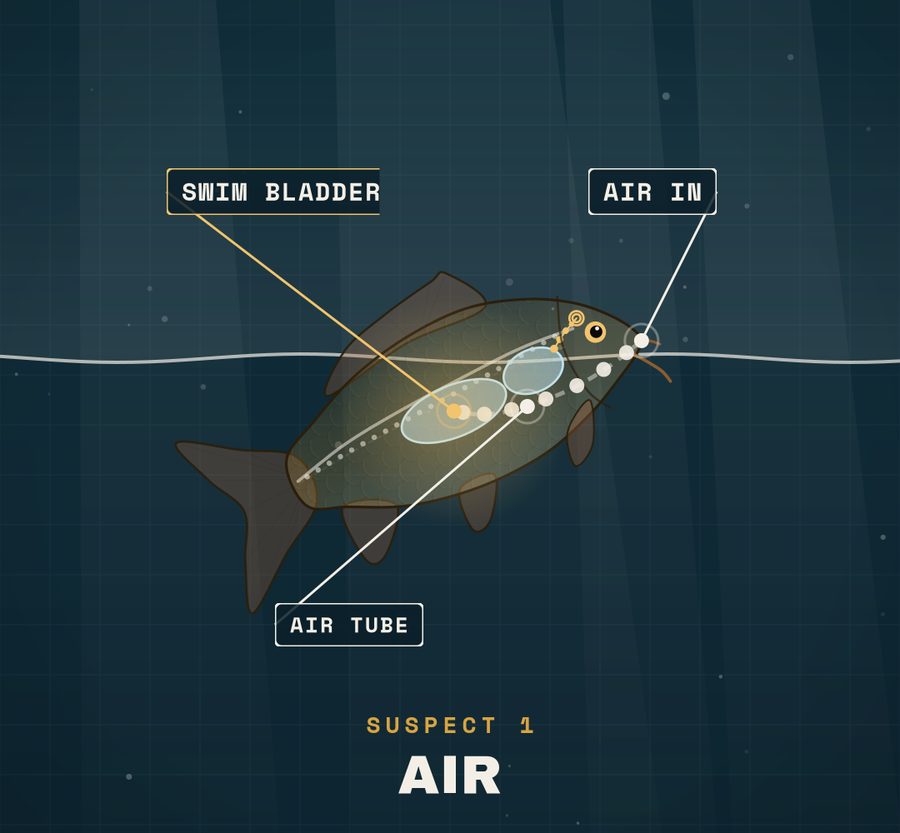
Carp are physostomous: a small tube (the pneumatic duct) connects their gut to their swim bladder. That means they can gulp air at the surface to top up the bladder and adjust how they float. The anatomy is certain. Whether that's why they jump is a hypothesis.
Suspect 2: parasites
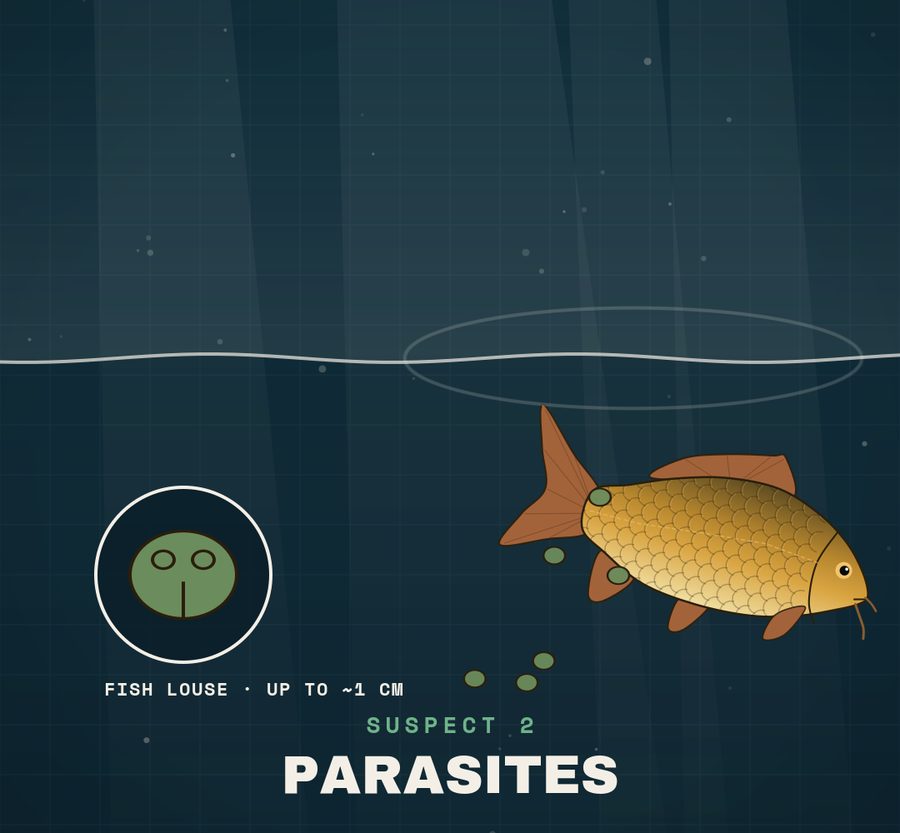
Carp get fish lice (Argulus), small parasites that cling to the skin. Fish are reported to jump or "flash" (roll and rub) to dislodge parasites. The parasite part is well established, and the jumping as a response is plausible but not proven.
Suspect 3: silt
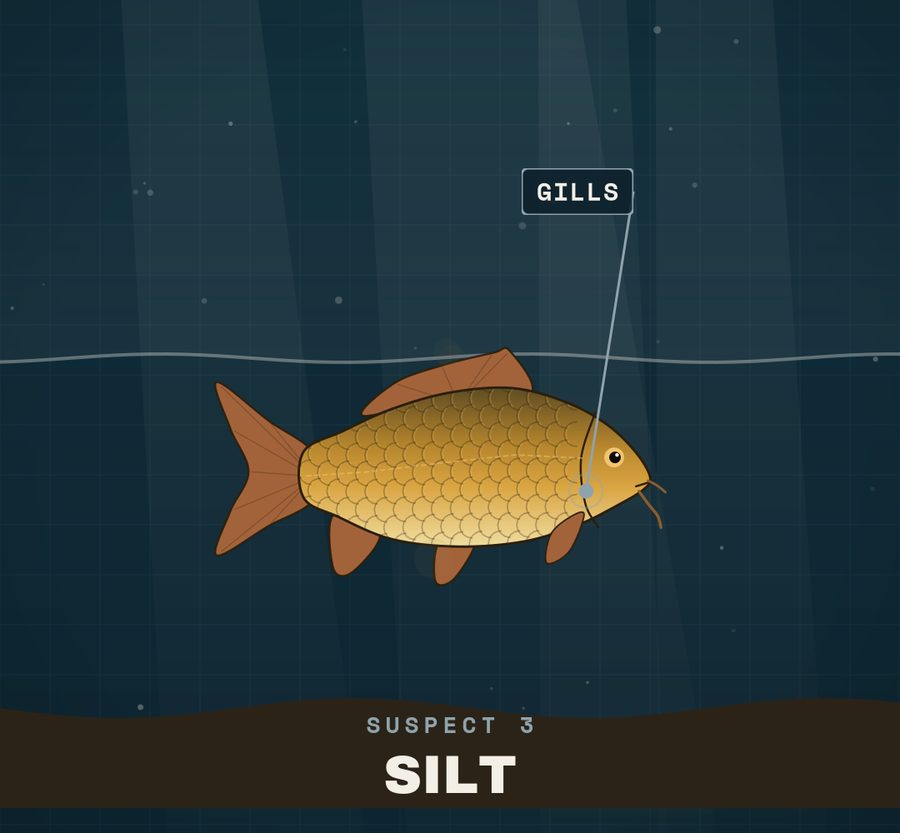
Carp root in the lakebed for food and stir up a lot of silt. One common idea is that a jump helps clear silt from the gills. It's the weakest of the four suspects, with the least evidence behind it.
Suspect 4: spawning
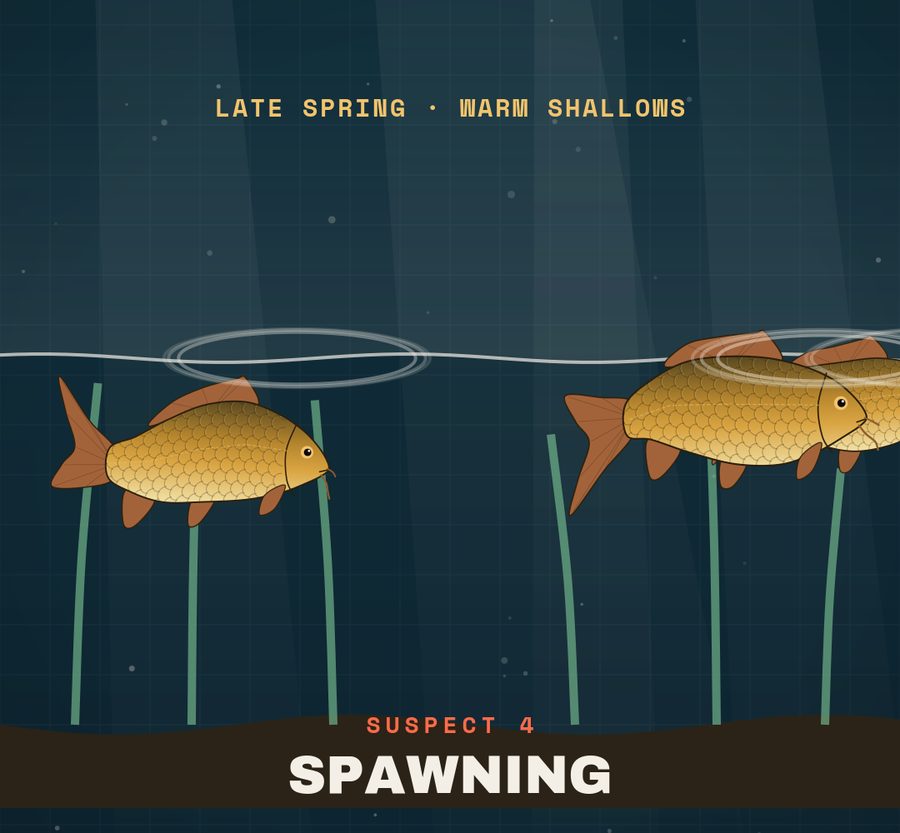
This one is certain, at least for a season. Carp spawn in late spring and early summer, once the water warms past about 17–18 °C, in shallow, weedy water. Spawning carp chase, crash and splash about near the surface.
The verdict: case open
Most likely, it's a mix: different jumps for different reasons, at different times of year. If you know of a study that tests it properly, we'd love to read it and make a follow-up.

How we know: the sources
Every claim in the video, where it comes from, and how sure we are.
-
There's no settled scientific explanation for why carp jump
SOURCE No study we've found tests it directly. Angling and aquarium literature lists competing explanations.
CONFIDENCE Medium-high. If a reader sends a paper, pin it and make a follow-up.
-
Carp are physostomous: a pneumatic duct links the gut to the swim bladder, so they can gulp air to adjust buoyancy
SOURCE Helfman et al., The Diversity of Fishes (2009); standard fish anatomy
CONFIDENCE High (anatomy). As a reason for jumping, it's a hypothesis.
-
Fish lice (Argulus) parasitise carp, and fish may jump or "flash" to dislodge parasites
SOURCE Argulus on carp: standard fish-health literature (e.g. Walker et al. 2004, Argulus: the fish louse). Flashing/jumping as a response is reported in fish-health guides.
CONFIDENCE High (parasite), hypothesis (jumping).
-
Clearing silt from the gills after bottom feeding
SOURCE A commonly suggested explanation
CONFIDENCE Hypothesis, the weakest of the four. We present it as a suspect, not a fact.
-
Carp spawn in late spring/early summer in shallow, weedy water, with lots of splashing
SOURCE FAO Cultured Aquatic Species: Cyprinus carpio; standard carp biology (spawning starts as water warms past ~17–18°C)
CONFIDENCE High
-
"A jumping carp means there are fish in that swim"
SOURCE Self-evident, and standard angler advice
CONFIDENCE Fine